
Rules & regulations
Updated September 30, 2026
5 min read
NCAA Foreign Tours: Division I Teams Can Now Travel Every Year
In April 2026 the NCAA dropped the once-every-four-years limit. What changed, who it applies to, and how to plan a tour.
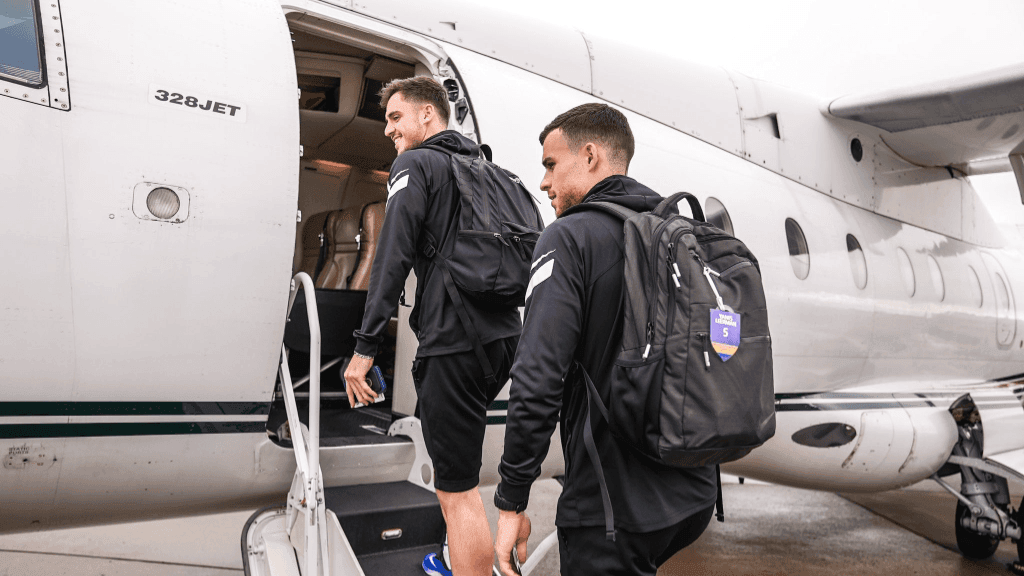
On April 15, 2026, the NCAA Division I Cabinet approved a change that lets teams complete a foreign tour every year, instead of once every four years. The idea came from the men's and women's basketball oversight committees, and the Cabinet extended it to all sports, soccer included. It took effect immediately.
You can read the announcement on NCAA.org (see the “Foreign tours” section).
What changed
- Before: one foreign tour per team every four years.
- Now: one foreign tour per team every year.
- Who: Division I teams in all sports, men's and women's.
- Since: April 15, 2026, with immediate effect.
The rest of the framework stays in place: a tour still has to follow NCAA legislation and your institution's approval process.
What it means for soccer programs
A foreign tour no longer has to be something a roster experiences once. Programs can travel more often and tie each trip to what the team needs that year:
- Building chemistry after roster turnover
- Preparing for the season in a different football environment
- Games against opponents with another style
- A shared experience for players who arrived through the transfer portal
When do teams usually travel?
Dates depend on each institution, but most programs choose periods when the academic and competitive calendars are less demanding. Common options include:
- Summer break
- May travel windows
- Preseason windows (especially in August)
Trips often last between 7 and 12 days, depending on destination, budget, and institutional approval.
What do programs do on these tours?
Although the football component is central, programs often combine several goals:
- International friendly matches
- Training sessions
- Cultural learning activities
- Team-building
- Academic or community experiences
Common destinations include Europe, Latin America, and, increasingly, Asia.
Benefits for student-athletes
Every program is different, but international trips often offer:
- Exposure to different playing styles
- Cultural education
- Personal growth
- Strengthened team chemistry
How coaching staffs plan now
Without the four-year wait, a foreign tour stops being a one-off project and becomes part of each season's calendar. Staff usually look at:
- Budget and fundraising for each season
- Academic and competition calendars
- Roster changes and recruiting timelines
- Opponent availability and travel time
Athletic departments often work with external travel providers or destination-based organisations to arrange logistics, training facilities, accommodation, and local support.
Before you book
Check the details with your compliance office before committing to dates or opponents. This article summarises a public NCAA announcement; it is not compliance advice.
In summary
Division I teams no longer have to wait four years to travel abroad. A foreign tour can now be part of how a program prepares every season, as long as it goes through the institution's normal approval.
Ready to plan your foreign tour?
Tenerife Next Academy can help you plan it
We help NCAA programs plan Tenerife tours with training, friendlies, recovery, logistics, and team activities organised into one clear schedule.